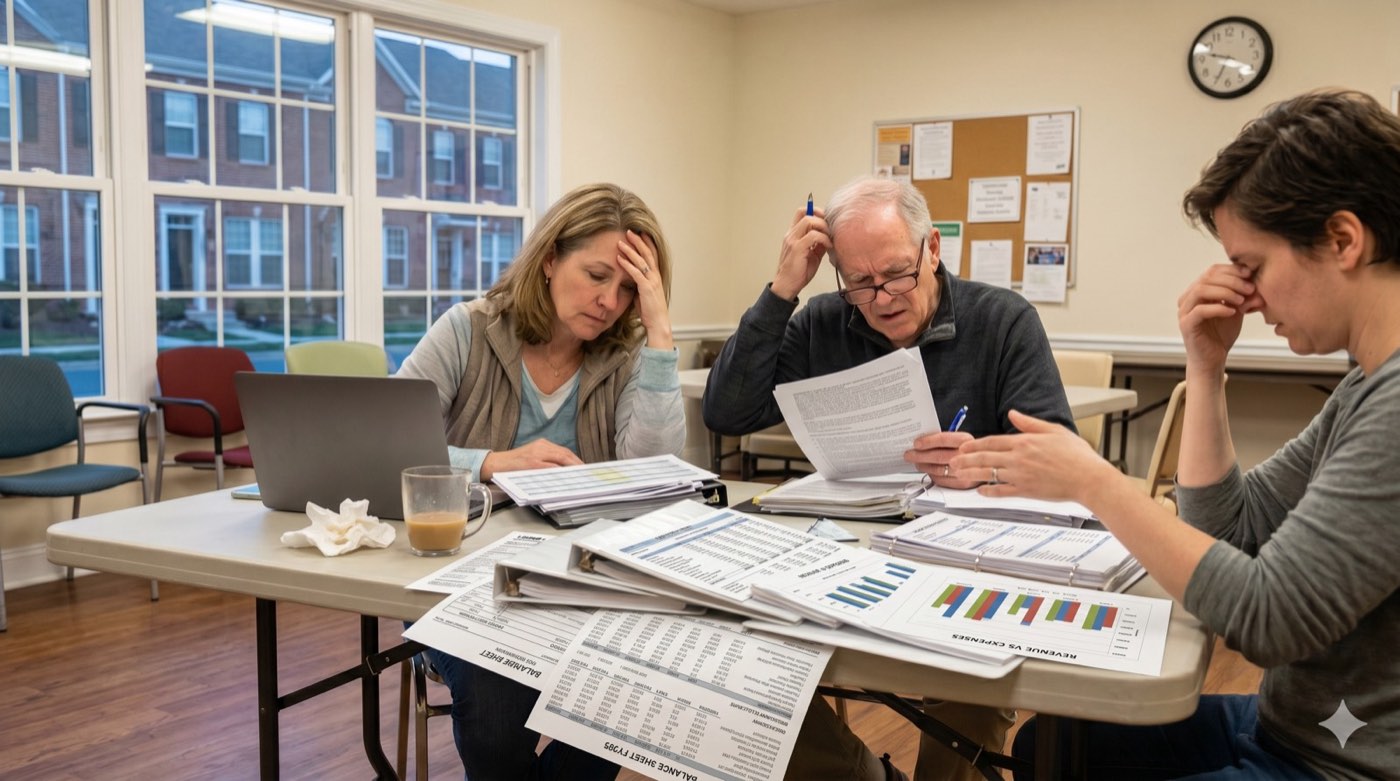
Self-managing a community is admirable, exhausting, and not built to last. The boards we meet aren’t struggling because they did anything wrong — they’re running out of evenings and weekends. Here’s what happens when you hand the admin to professionals while keeping every decision that matters in your hands.
Boards lose sleep over this question. The actual answer is simpler than most management companies make it: governance stays with the board, operations move to a professional team.
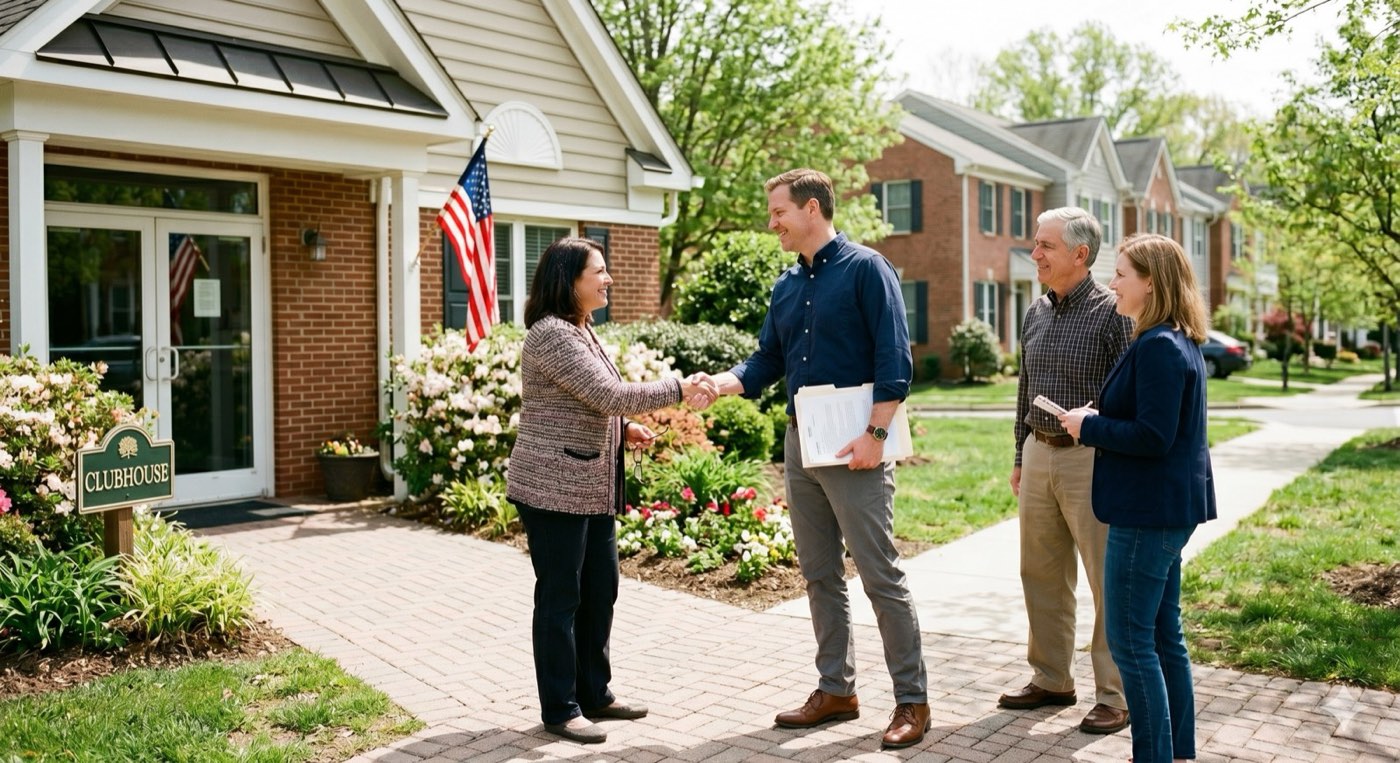
Every decision that defines life in your community remains a board decision — we just hand you the agenda, the financials, and the recommendation.
The stuff your treasurer dreads on Sunday nights — that’s what professional management is for. We handle the operational machinery so your board can focus on the decisions.
The line item is real — but it’s the smallest part of the picture. Most self-managed boards are already paying more in hidden costs, missed discounts, and volunteer time than the management fee would total. Here’s the napkin math for a typical 120-unit community.
We were proud of running our own community for 14 years. By year 13 our treasurer was on antidepressants and our president was sleeping with a phone next to her bed. We didn’t fail — we just got tired. Tidewater took the admin, not the community.
The most common fears we hear, answered without the sales gloss.
Ask your own question →No. The board retains all governance authority — budget, vendor selection, covenant policy, ARC, reserve funding, communications tone. We handle execution, not governance. If a manager ever recommends something the board disagrees with, the board's decision is final.
Most residents are already aware that the board is volunteer-run — they're not opposed to professional help, they just want assurance that the community's character won't change.
The honest framing works best: “Our board is donating 60+ hours a month to administer this community. Bringing in professional management lets us focus on the decisions that matter, with the same monthly assessments paying for both the work and the time.” We provide a template letter and FAQ for boards to customize.
For a typical community in the 80–250 unit range in Maryland, management fees run $28–$42 per unit per month. We provide line-item quotes — no hidden setup fees, no transition fees, no per-resident surcharges. We'll run the numbers against your actual operating budget on the first call.
Most self-managed boards we meet aren't broken — they're one resignation away from being broken. The treasurer who's been doing books for 8 years is moving. The president's job got demanding. The fact that it works today is exactly why now is the right time to professionalize, while you can do it on your terms.
You stay on every account — we are added as authorized signers with limits, but the board owns the funds. Your reserve account never leaves your association's name or your bank if you don't want it to. We also recommend an independent CPA audit at year-end, which most insurance carriers require anyway.
Our contracts default to 30-day termination, no penalty. Some companies bury 12-month auto-renewals with massive exit fees — we don't. We'd rather earn your renewal each year than trap you. Our 12-month retention rate is 97%, which we'd rather speak for itself.
For a self-managed community, the transition is simpler than switching from another company — no notice period, no termination fees, no records held hostage. Most self-managed boards complete the transition in 4–5 weeks, from signed proposal to your first managed board meeting.
No. Your management agreement is the only new document; we provide it and your association attorney (or ours) can review it. No bylaw amendment, no board vote, no homeowner approval is required to retain a management company.
Tell us a little about your association and a manager from your region will be in touch within one business day.
Tell us a little about your community and the right person will be in touch within one business day. No pressure, ever.
Request Proposal / Contact →Prefer to call? (855) 876-5500 · 24/7 emergency line for current communities